

The Reality of Casino Games
Many players harbor concerns about the integrity of casino games, often questioning whether they are rigged. The truth is that reputable casinos operate under strict regulations and oversight, including some online casino accepting neosurf that adhere to these standards. These establishments are licensed and monitored by various gaming authorities that ensure fair play. The games offered in these venues utilize random number generators (RNGs) to determine results, ensuring that outcomes are unpredictable and not manipulated by the house. Such systems are designed to provide a fair and equitable gaming experience for all participants.
For instance, slot machines operate using sophisticated algorithms that guarantee randomness in each spin. This randomness not only protects the player but serves the casino’s interests as well, since fairness fosters trust and long-term patronage. Additionally, reputable casinos often undergo third-party audits that verify the integrity of their games, providing another layer of assurance for players who are concerned about the fairness of their gaming experiences. These audits are conducted by independent firms that specialize in testing gaming software, ensuring that the games are not only fair but also operate within the expected parameters.
Furthermore, the concept of casinos being rigged is often rooted in misunderstanding how odds and probabilities work in gambling. While it is true that the house always has an edge, this does not equate to rigging. Instead, it reflects the statistical advantage that casinos hold over time, which allows them to remain viable businesses while providing entertaining and engaging experiences for patrons. Players often overlook the fact that the odds are clearly stated and that every game is designed with a certain percentage that favors the house, a standard industry practice.
The Myths Surrounding Casino Games
One prevalent myth is that certain machines or tables are ‘hot’ or ‘cold.’ Players often believe that if a slot machine has not paid out recently, it is overdue for a win. This misconception ignores the independent nature of each spin, where past outcomes do not influence future results. Random number generators ensure each play is independent, and the concept of ‘due luck’ is merely a psychological inclination rather than a mathematical reality. Understanding this can help players make more informed decisions rather than relying on superstition.
Another common myth suggests that casinos can manipulate the outcomes of games at will. Some believe that casinos use specific techniques to favor the house, such as altering the odds during gameplay. However, such practices would be illegal and could result in severe penalties for the casino, including losing their license. Most casinos prioritize their reputation and customer satisfaction, making it unlikely that they would engage in deceptive practices. The potential fallout from such actions far outweighs any temporary gains that could be made by cheating players.
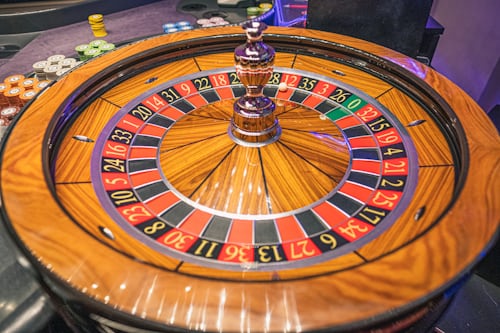
Additionally, the belief that dealers can influence outcomes, especially in table games like blackjack or roulette, is a common misconception. While a dealer’s actions may seem impactful, they follow strict protocols that ensure fairness and consistency in game management. Casinos invest heavily in training their staff to uphold gaming integrity, emphasizing the importance of maintaining a fair environment for all players. The procedures in place are designed to minimize human error and bias, reinforcing the fairness of the games offered.
The Role of House Edge
Understanding the house edge is crucial to grasping why casinos are not rigged. The house edge refers to the statistical advantage that the casino holds over players in any given game. This edge is built into the game’s design and varies depending on the type of game being played. For instance, games like blackjack may have a lower house edge than slot machines, but this does not mean the games are rigged; it simply reflects the inherent probabilities involved. By understanding these nuances, players can make strategic choices about which games to play based on their risk tolerance.
Players often misinterpret the house edge as a form of cheating, when in fact it is a mathematical reality that enables casinos to cover operating costs and provide entertainment. Understanding this concept can help players make informed decisions about where to place their bets. Rather than viewing themselves as victims of a rigged system, players can recognize that while winning is possible, the odds are always stacked in favor of the establishment. This understanding can also enhance a player’s enjoyment of the game, as they can appreciate the challenge rather than viewing it through a lens of suspicion.
Moreover, the house edge is not a fixed value. It can fluctuate based on player strategies, game rules, and even the skill level of the participants. Skilled players can reduce the house edge, particularly in games that allow for strategic decision-making. This aspect of gambling highlights that while the casino has an advantage, knowledgeable players can improve their chances of success, further debunking the myth that games are rigged against them. By employing strategies and understanding game mechanics, players can tilt the odds slightly in their favor.
The Importance of Regulations and Fair Play
To maintain the integrity of casino operations, multiple regulatory bodies oversee gaming establishments. These regulatory agencies enforce standards that ensure fair play and protect consumer rights. Casinos that fail to comply with these regulations face not only fines but also the risk of losing their licenses to operate. This regulatory framework forms a critical pillar that supports the notion of fairness in casino gaming. The presence of these regulations is a significant deterrent against any attempts to manipulate games.

Additionally, many jurisdictions employ independent testing laboratories to assure games are fair and operate as intended. These labs conduct regular examinations on RNGs and game payouts, providing reassurance to players that the games are not just theoretically fair, but practically so as well. This rigorous testing process is essential in maintaining the trust of players and the overall credibility of the casino industry. Players can take comfort in knowing that their gaming experiences are monitored by impartial third parties.
Moreover, the rise of online casinos has further enhanced transparency. Many online platforms provide detailed information about their games, including RTP (Return to Player) percentages, which demonstrate how much players can expect to win back over time. This level of transparency is instrumental in fostering a safer gaming environment and dispelling myths surrounding rigged games. Players can make informed choices based on documented performance metrics, which empowers them to engage with the gaming experience on a more informed level.
Understanding Your Experience
Ultimately, the question of whether casinos are rigged boils down to a combination of myths and misunderstandings. As players, it is essential to approach gambling with a clear understanding of the odds, house edge, and game mechanics. By doing so, players can engage with casino games in a responsible and informed manner, recognizing that while not all outcomes will favor them, the playing field is not unfairly manipulated against them. This awareness can transform the gambling experience into a more enjoyable one, free of unnecessary anxiety.
Education is key. Understanding how games work, knowing the probability of different outcomes, and familiarizing oneself with the rules can enhance the gambling experience. By empowering themselves with knowledge, players can enjoy their time at casinos without the nagging fear of being cheated. This perspective encourages a healthier relationship with gambling, shifting the focus from suspicion to enjoyment. A well-informed player is more likely to have fun, as they understand that gambling is meant to be entertaining, not simply a means to make money.
Furthermore, the casino experience should be seen as a form of entertainment rather than a guaranteed path to wealth. This mindset allows players to appreciate the thrill of gaming without the burden of unrealistic expectations, fostering a more enjoyable and less stressful environment. Recognizing that the primary purpose of visiting a casino is entertainment can help players to manage their bankroll more effectively and enjoy the various offerings without undue pressure to win.
Recent Comments